
Objective To study how Pneumoperitoneum under Trendelenburg position for robot-assisted laparoscopic surgery impact the perioperative respiratory parameters, diagrammatic function, etc. Methods Patients undergoing robot-assisted laparoscopic surgery in the Trendelenburg position and patients undergoing general surgery in the supine position were selected. The subjects were divided into two groups according to the type of surgery: robot-assisted surgery group and general surgery group. ① Respiratory parameters such as lung compliance, oxygenation index, and airway pressure were recorded at 5?min after intubation, 1 and 2?h after pneumoperitoneum. ② Diaphragm excursion (DE) and diaphragm thickening fraction (DTF) were recorded before entering the operating room (T 1 ), immediately after extubation (T 2 ), 10?min after extubation (T 3 ), and upon leaving the postanesthesia care unit (T 4 ). ③ Peripheral venous blood (5?ml) was collected before surgery and 30?min after extubation and was analyzed by enzyme-linked immunosorbent assay to determine the serum concentration of Clara cell secretory protein 16 (CC16) and surfactant protein D (SP-D). Result ① Compared with the general surgery group ( N ?=?42), the robot-assisted surgery group ( N ?=?46) presented a significantly higher airway pressure and lower lung compliance during the surgery( P ?< 0.001). ② In the robot-assisted surgery group, the DE significantly decreased after surgery ( P ?
文章引用产品列表
-
-
- EK1166
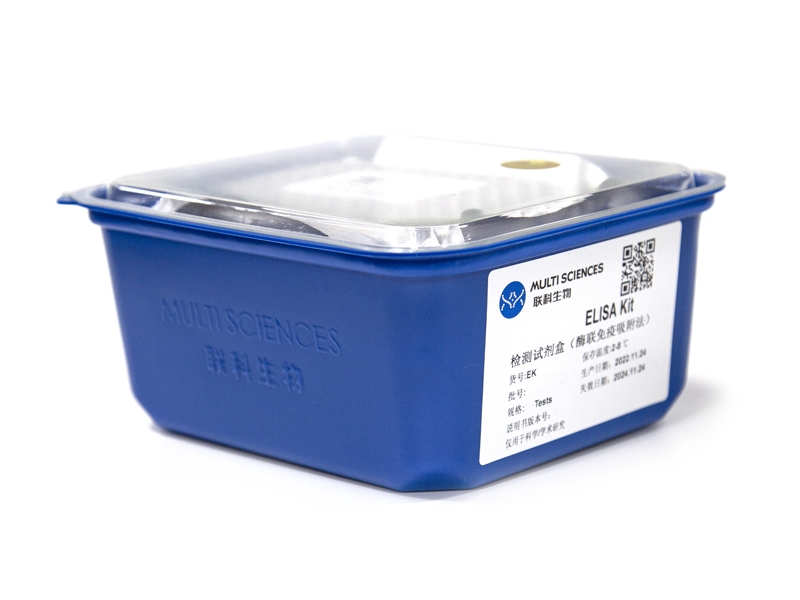
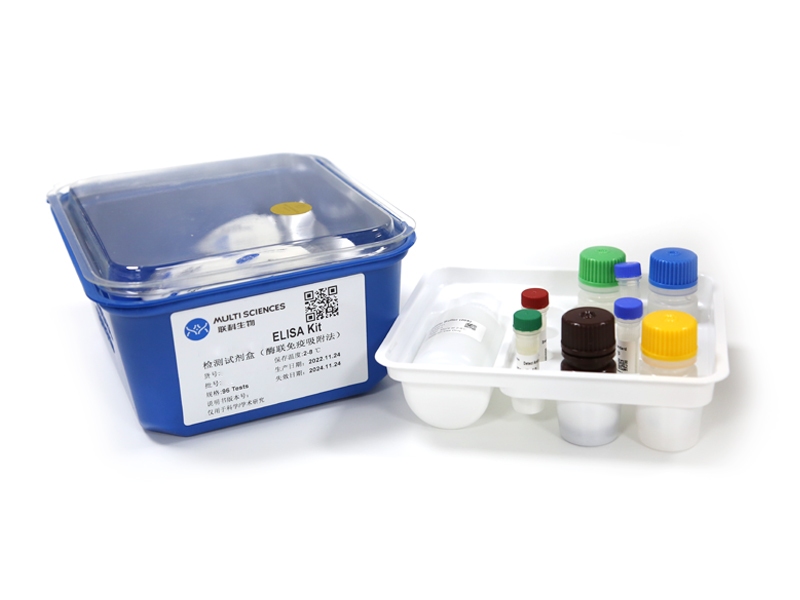
- ELISA试剂盒
Human SP-D ELISA Kit检测试剂盒(酶联免疫吸附法)
- ¥1,600.00 – ¥2,650.00
-
 Powered by Bioz